13/10/26October 13, 2026·Personal·8 min read
I had been accepted. My first reaction was terror.
April 2018. Lima, Peru.
I was sitting in the living room at my parents' house. Only three months into my first migration. Still adjusting to a city that felt like a different planet.
My phone buzzed.
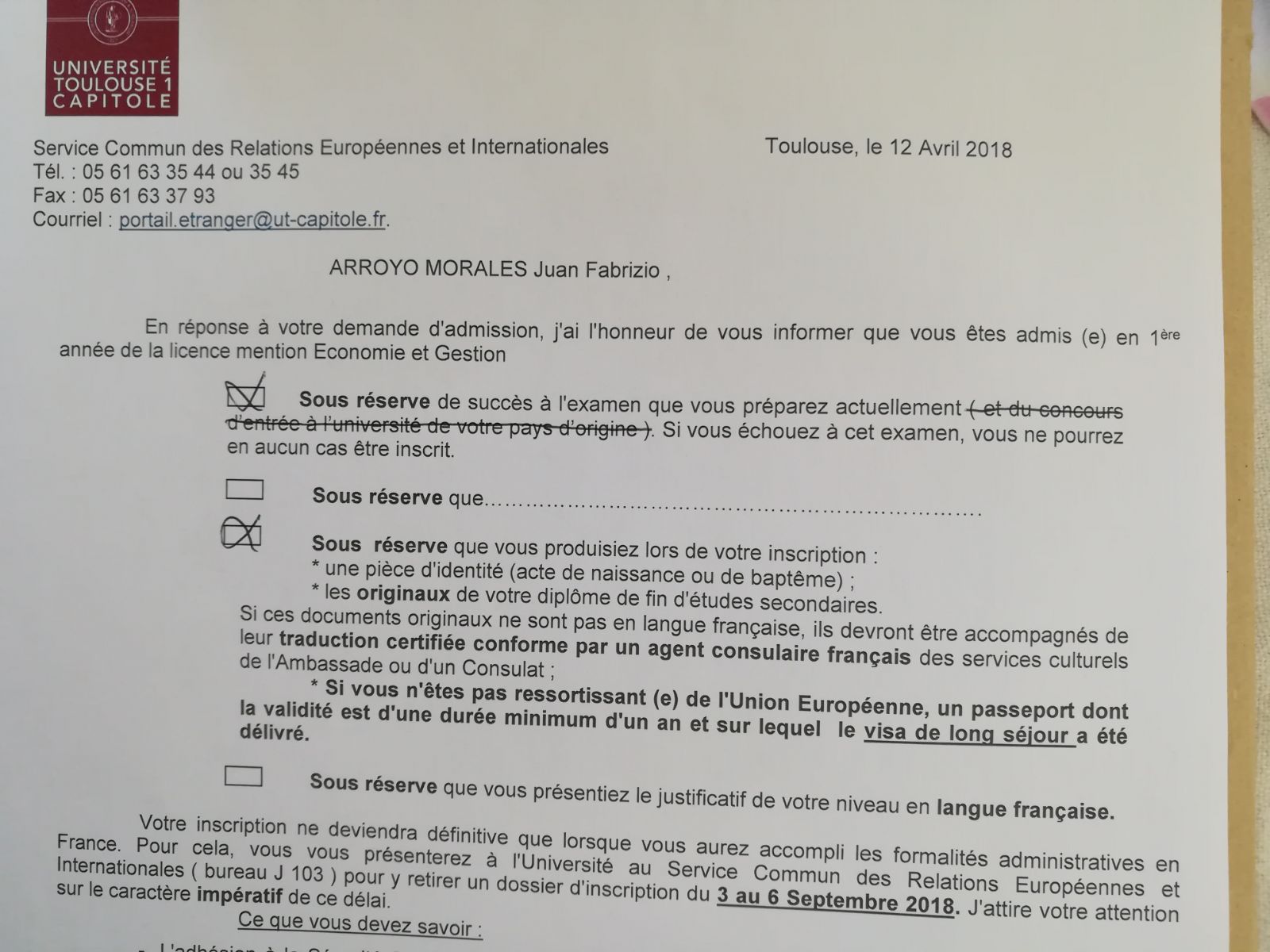
A contact in Pau (a small city near Toulouse) had received an envelope. Signed and sealed by the Université Toulouse 1 Capitole. She photographed the letter and sent it to me.
I opened it.
Nous avons le plaisir de vous informer que votre candidature a été retenue...
Signed by Corinne Mascala, president of the university.
I stood up. Walked to my mom's room. Showed her the screen without saying anything.
She cried and quickly held me. She said: "this is what we've been waiting for all these months."
Meanwhile, I stood there, frozen.
Not from happiness. From everything that was suddenly real: moving alone to a country I had visited twice, ten days in total. Starting university in a language I didn't fully master. Building a life from zero, at 17, with no one waiting for me on the other side.
I had spent months not letting myself think that this moment was possible.
I. Caracas, September 2017
I arrived at the UCAB every morning around 7am.
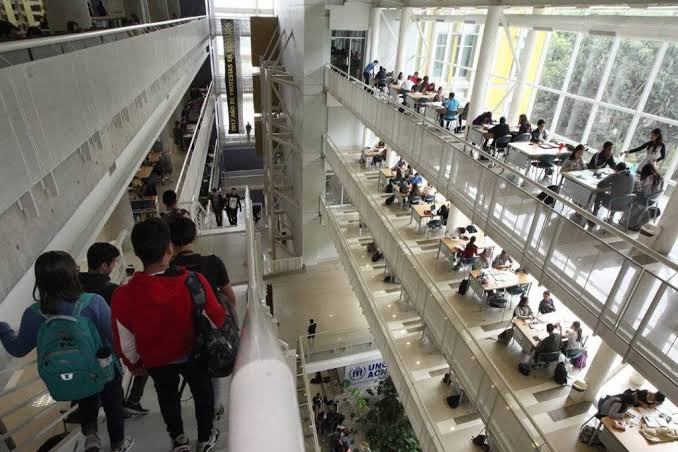
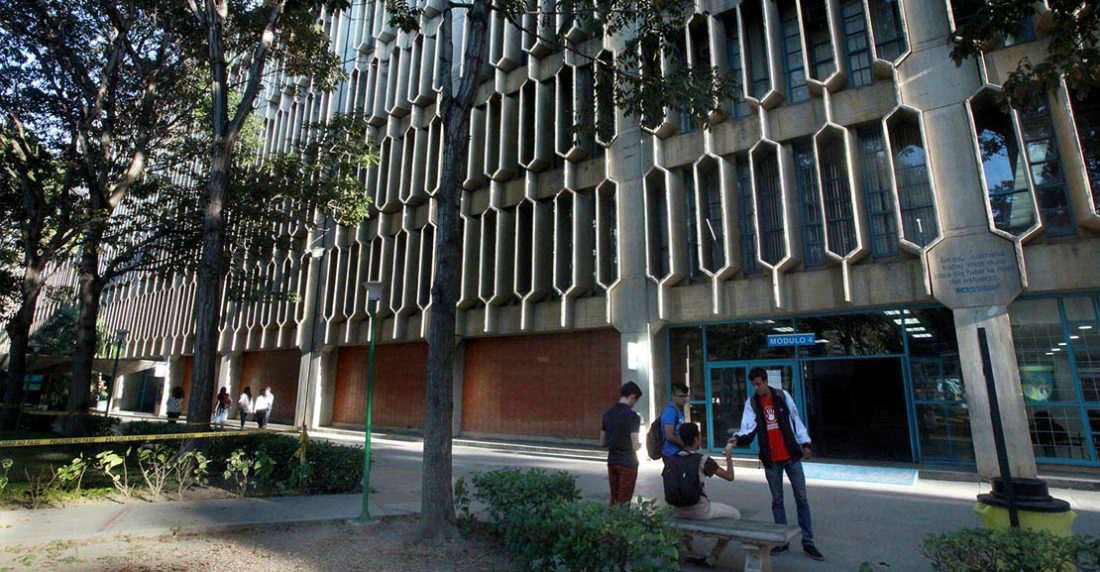
The first thing I noticed was the smell: grass, trees, fresh air. The main building had an exterior designed like a honeycomb. I remember thinking that this kind of architecture seemed built to last decades. The library had four or five floors: books, private study rooms, art galleries, event halls where talks happened most afternoons.
It was the first time I was in a university. It was also the first time I understood what the term "cosmopolitan" meant.
My classmates came from every kind of school in Caracas: public, private, "elite", neighborhood. All in the same classroom. I made new friends quickly, though I always set aside time for the four friends from high school I had had for years.
Outside the campus, Venezuelans in late 2017 were experiencing hyperinflation alongside severe food and medicine shortages. Over the weeks, it was more common to see empty shelves, long lines, and people trying to find new ways to survive under such circumstances.
Inside the classroom, we were reading Adam Smith.
My economic history professor, Polanco, said something that stayed with me. We were discussing the book "The Wealth of Nations" when she stopped and said: "the wealth of nations comes from labor, not from capital alone."
At that time, I wondered if that was true. Now I disagree with her. Although I keep the essence of her message: a country's real wealth comes from the people inside it. Their ideas. Their work. What they build and who they build it for.
I was 17 in a country whose people were leaving by the hundreds and thousands.
In the afternoons, after university, I went to French class.
II. The language
The path to France had started earlier, in 2016.
A contact at the Alliance Française in Caracas told my mom something important: there was a legal route for students without a French baccalaureate to apply to French universities. It was called the "dossier blanc". You needed your high school transcript, your diploma, and a language certificate: minimum B2.
I was B1.
I had been studying French twice a week since the end of high school. My mom and my brother had studied at the Alliance for years before me, so they recommended it. I learned it as a third language, initially because it seemed useful. And because some part of me already knew that seeking opportunities abroad would be a wise decision.
My private rule for all of this: don't get attached. Let's see what happens.
Between June and October 2017, my days had a very strict form: UCAB in the mornings, Jonathan in the afternoons.
Jonathan didn't teach like most teachers. He used games, news articles, and phonetics, a lot of phonetics. He had studied foreign trade in Paris and he frankly admitted to me that the French have high standards for everyone, especially foreigners. Parisians in particular could be cold, demanding, and not especially welcoming to outsiders.
Strangely, his experience didn't influence my decision to keep going.
In October 2017, I sat for the DELF B2 exam.
My score: 75 out of 100 (I needed 51/100 minimum). Surprisingly, I didn't see this first step as a success. I tried to tame my emotions. Maybe I didn't want to know deep down that I was approaching a huge change in my life.
III. The dossier
The dossier for the French Embassy in Caracas was rejected twice.
Apparently, there was something wrong with the official translation and apostille. Getting Venezuelan documents legalized, apostilled, translated, approved is a long process (especially amid a crisis). Each step costs money and time. My parents managed it while I focused on university. That was their decision: absorb the bureaucracy so I could concentrate on my studies.
On the third attempt, my mom went to the French Embassy in Caracas in person.
The cultural attaché reviewed my transcript himself. He was visibly impressed.
My school wasn't prestigious nor expensive. But I managed to remain in the top three of my class in five consecutive years.
He handed the dossier to his team and reassured my mom that it would take some time to audit it.
One week later: approved.
Next step: choose the top 3 universities to apply to. The choices I submitted were Toulouse, Lyon, and Marseille. Toulouse because I had researched it: affordable, student-friendly, beautiful, and home to TSE, the Toulouse School of Economics, where I genuinely wanted to study. Lyon and Marseille because they were the only other French cities I had heard of outside of Paris (my reference? Movies).
The documents were sent to France. Now, to wait. In the meantime, I went through my first migration.
IV. Lima
We moved to Peru in January 2018.
My parents were from Huaral and Chancay, in the north of Lima. Peru was always a possibility: family, stability, proximity. Venezuela had been deteriorating for years. The decision to leave, when it came, was not sudden. It was the end of a long deliberation. The trigger was the first month in which Venezuela entered hyperinflation for the first time in its history.
I arrived in Lima at 17.
The first weeks were hard because I kept comparing cities. Every street, every person, every conversation filtered through the perspective of what I had known in Caracas.
Over time, I stopped comparing. Things began to flow.
I started going to a church nearby and made friends there. I enrolled in weekly drum lessons at the National Conservatory of Music, right in the center of the city. I got a job at a call center in Miraflores, selling Movistar Peru products, three months, full time. And in the middle of all of that, I continued French classes at the Alliance Française in Miraflores, now at a higher intensity than before.
The letter from Toulouse arrived in April 2018, three months after we moved to Peru.
V. Caracas, July 2018
I flew from Lima to Caracas to pick up my student visa.
Venezuela was still in full crisis.
At the consulate, I needed to pay a consular fee (60€, a high amount for anyone in Venezuela at the time). The debit card my brother gave me didn't work. If I couldn't pay, I would need to rebook: minimum one month's wait. My flight back to Lima and then to Toulouse was already set. I panicked.
A man in the waiting room watched what was happening.
He paid for me. Asked me to transfer it back when I could. My phone had died, so he wrote his number on the folder I had with me.
I don't remember his name. I sent the transfer the moment I got home.
There were several moments like that in this entire process. Moments where something outside my control moved in the right direction at exactly the right time.
VI. August 2018
It was time to go. I barely remember what happened at the airport.
My mind was somewhere else entirely. What I remember is what was going on in my head: a storm.
I landed in Toulouse with two suitcases and the persistent conviction that none of this was actually happening.
This feeling lasted weeks.
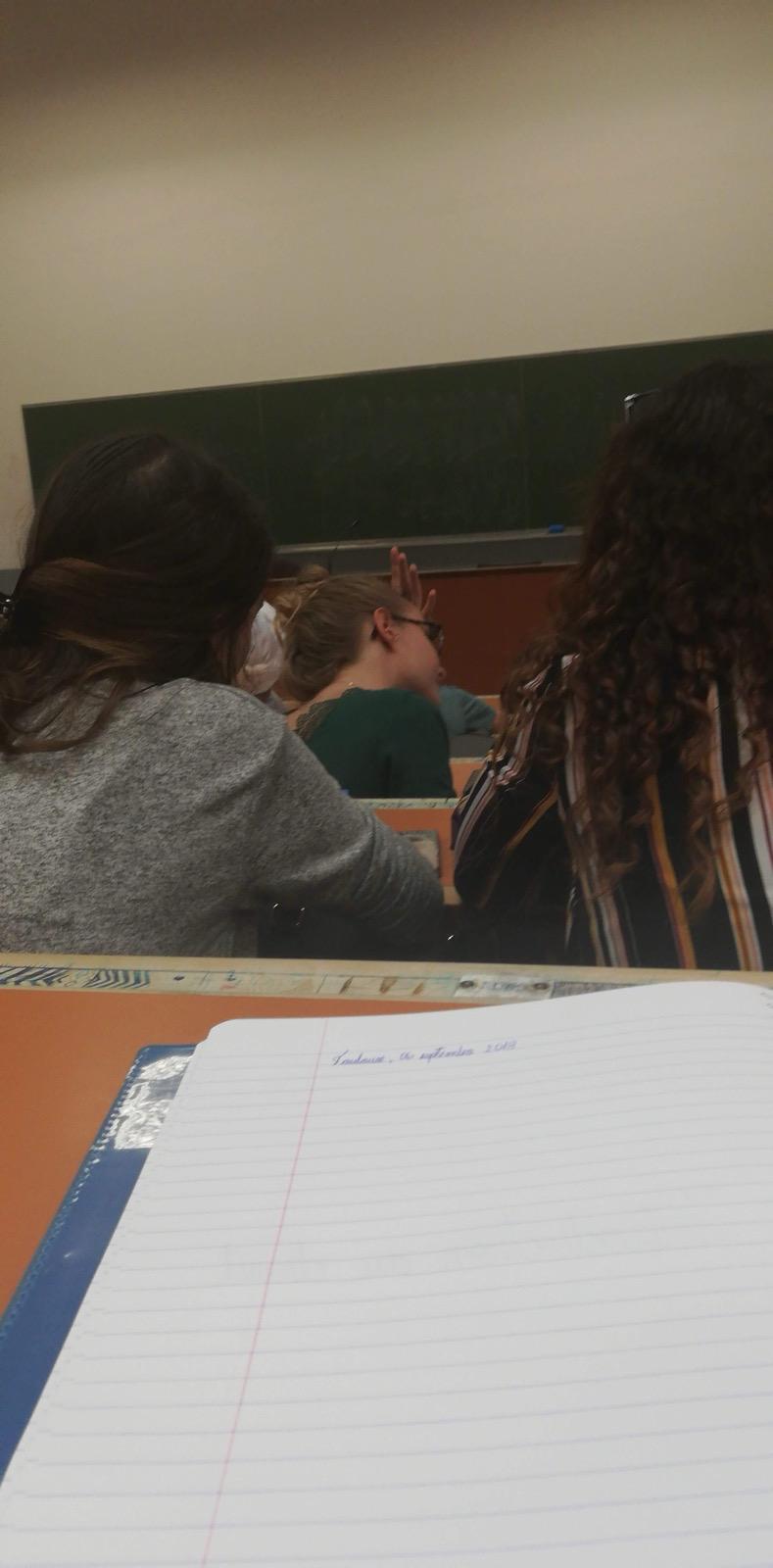
That began to change in my first macroeconomics lecture. The professor, Mme. Péchoux, opened the class with a question to the room: "what is inflation?"
Ironically, I knew the answer from having witnessed its implications in real life.
That was when I understood, for the first time, why I had come.
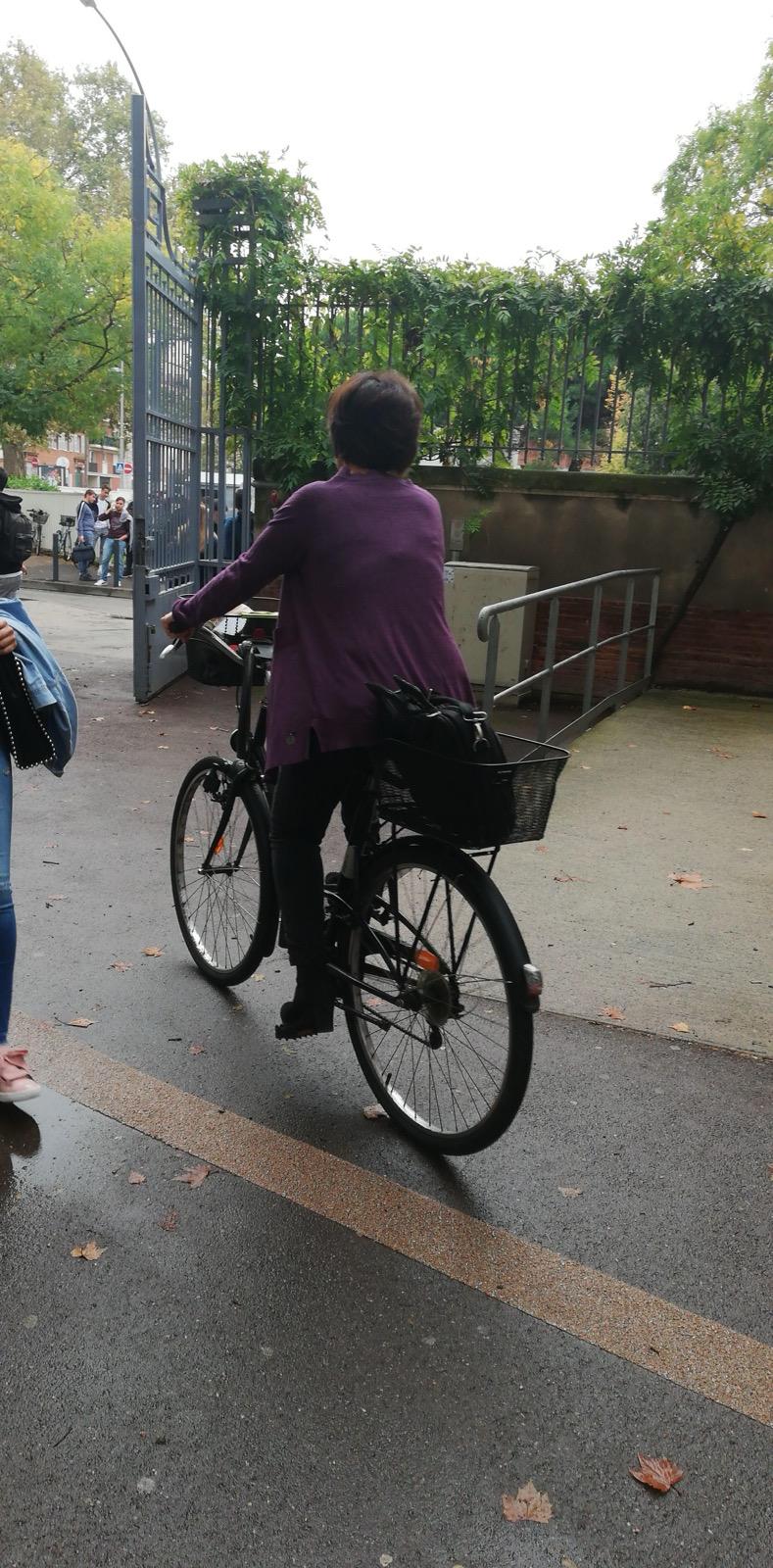
And that was when everything around me became real.
Read next
- Blog3 mistakes I would've preferred to avoid as an expatMoving from Caracas to Lima taught me that a shared language does not mean a shared culture, that arriving physically is not the same as...Read→
- JournalTesting the machine in new environmentsI am convinced it is time to take a great leap, just as I did when I moved from Venezuela to France, but this time with more experience and clarity.Read→