27/08/26August 27, 2026·Personal·4 min read
Moved to France Alone at 18
At 18 I left Venezuela for France alone, with no contacts and no clear plan. Eight years and three countries later, here are three lessons I found about institutions, isolation, and knowing what you want.
When I was 17 years old in Venezuela, I was quite lost on what to do with my future. Recently graduated from high school. A+ student. I had a curious mind, and I worried about the lack of professional opportunities in my home country.
The only thing that stimulated my curiosity was to understand why things went so wrong economically and politically in the last two decades in Venezuela. I just wanted to understand the root cause to find meaning on why I had to experience it all and then what to do about it. That's why I chose economics.
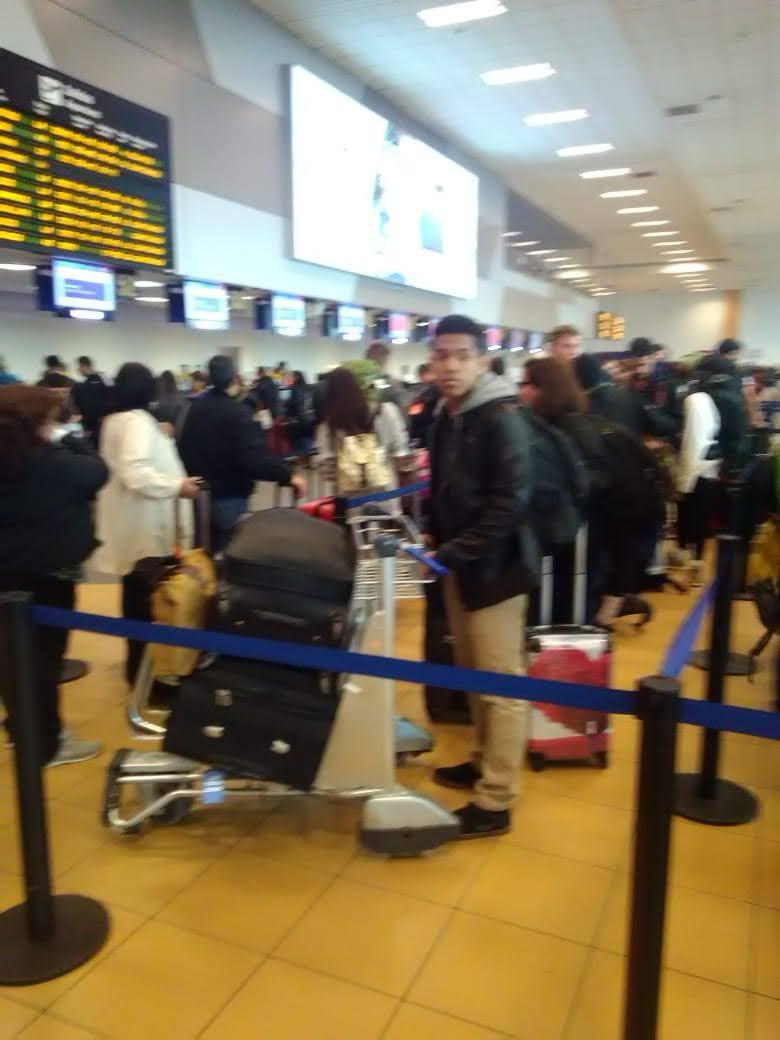
France and its higher education system bet on me to find a new path. At 18, I moved there. Completely different country and culture. All on my own, with 0 contacts, completely terrified and weirdly excited at the same time, for all the new things coming.
The beginning was tough. Even though I was learning French for 2 years up to that point, my level was intermediate (B1). Finding a new home, managing visa and administrative obligations (such as opening a bank account, purchasing a proper insurance plan, etc.) and attending college (three weeks after my arrival) were small things I needed to overcome compared to the long-term challenge of adapting to this new reality.
The reasons why I kept sane during the first months were the love and support of my parents and a clear goal: being one of the top 60 best students to be accepted at TSE, the best school of Economics in France. Fortunately, I did it.
After 8 years I have been living in 4 cities between 3 countries, meeting and working with people from all around the world and learning from new experiences along the way. The best part is discovering who I am and what I want to offer to the world.
Today, I share with you three lessons from my experience:
Stability is possible when institutions guarantee quality education, health and infrastructure: I realized in France how important institutions are to bring predictability to their citizens' daily lives. To do so, France has developed a public, functional and wide-spread systems of education and health alongside infrastructure (such as telecom, transportation, public goods etc.) so their citizens can focus on creating value. This was diametrically opposite of what was happening in Venezuela. I remember the first time I took the French metro and it arrived on time. Or when I went to a public hospital and didn't have to pay. Small things that in Venezuela required either money, connections, or luck. In France they were just... normal.
Isolation builds clarity: in France I had no network to rely on, and I had to adapt to catch up with my study mates at uni. As a result, by focusing on my sole goal I developed the drive to look for solutions to these problems. This meant being more open to socializing with strangers, looking for networks of people to collaborate and learn the language and customs as fast as possible. The only way to do it that fast was under pressure.
Through trial and error, I realized who I was and what I really wanted: at the beginning of my journey, I thought that public policy was the only thing I liked. However, given my high openness to experience, curiosity and creativity I realized that creating things for the common good was a better long-term purpose. This was possible through entrepreneurship, business, and policymaking. Now I know I want to build things, products, companies, systems, that solve problems I would otherwise need to solve myself. That clarity only came from trying things I wasn't sure I wanted.
Beyond these specific lessons, eight years of living outside my home country left me with something harder to articulate but equally real: a deep conviction that the world is smaller than it looks from where you start, that people are more similar than their differences suggest, and that humans are far more capable of adaptation than they believe, until they have no choice but to prove it. These are not lessons you learn from a book. They are things you integrate through experience, slowly, and often without noticing.
What would your 17-year-old self think of where you are today?
Read next
- BlogWhat eight years abroad taught meThree principles that helped me move from an unfamiliar university system to the Toulouse School of Economics, and later into the startup world.Read→
- JournalTesting the machine in new environmentsI am convinced it is time to take a great leap, just as I did when I moved from Venezuela to France, but this time with more experience and clarity.Read→